
Disposition Options
Become a MemberFamilies are asking more questions about disposition. Be the expert they need.
Consumer interest in disposition options has grown significantly. Whether a family is asking about cremation, green burial or newer methods like alkaline hydrolysis and natural organic reduction, NFDA gives you the information and resources to guide them with confidence.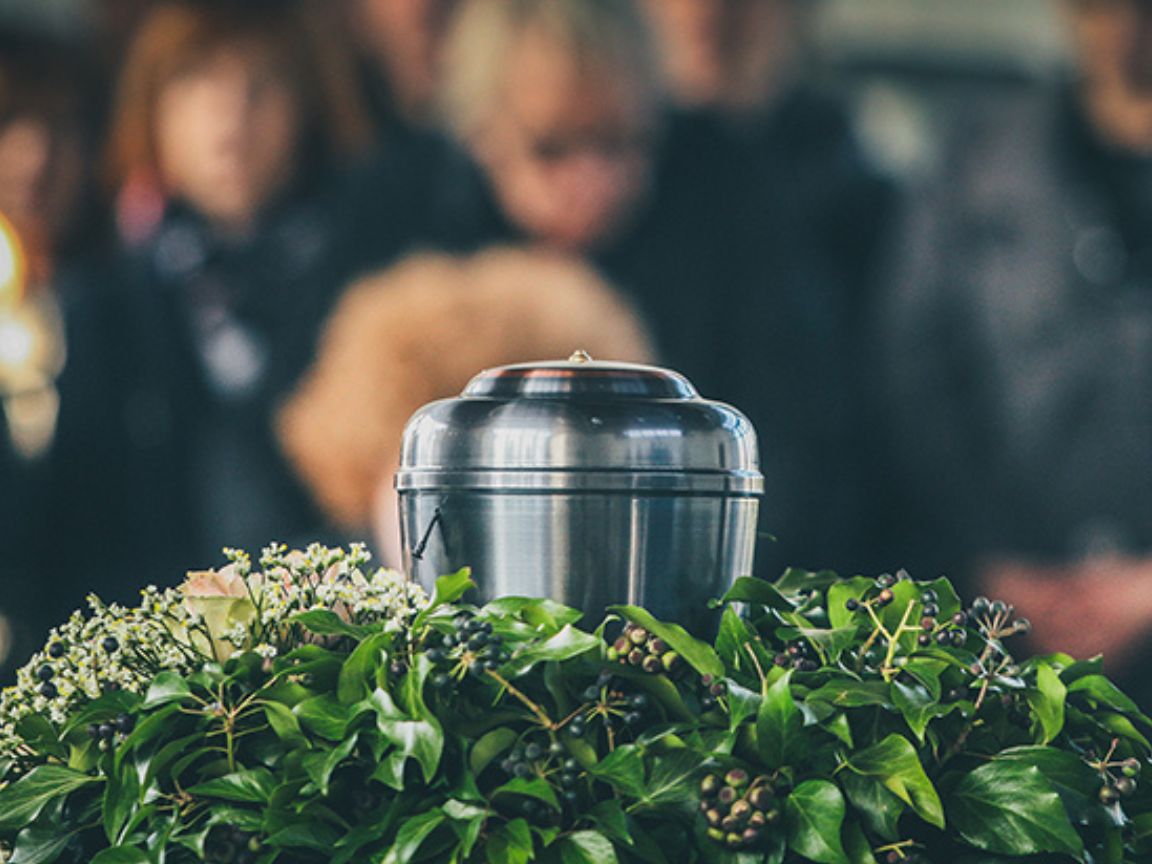
Cremation
The most common choice — and still evolving.
Cremation now accounts for the majority of U.S. dispositions and is projected to keep rising. NFDA provides resources, education and the annual Cremation and Burial Report.
Cremation now accounts for the majority of U.S. dispositions and is projected to keep rising. NFDA provides resources, education and the annual Cremation and Burial Report.
Alkaline Hydrolysis
An emerging option.
Also known as water cremation or aquamation, alkaline hydrolysis uses water, lye, heat and pressure to reduce remains — with a smaller environmental footprint than flame cremation
Also known as water cremation or aquamation, alkaline hydrolysis uses water, lye, heat and pressure to reduce remains — with a smaller environmental footprint than flame cremation
Natural Organic Reduction
Growing, eco-friendly option.
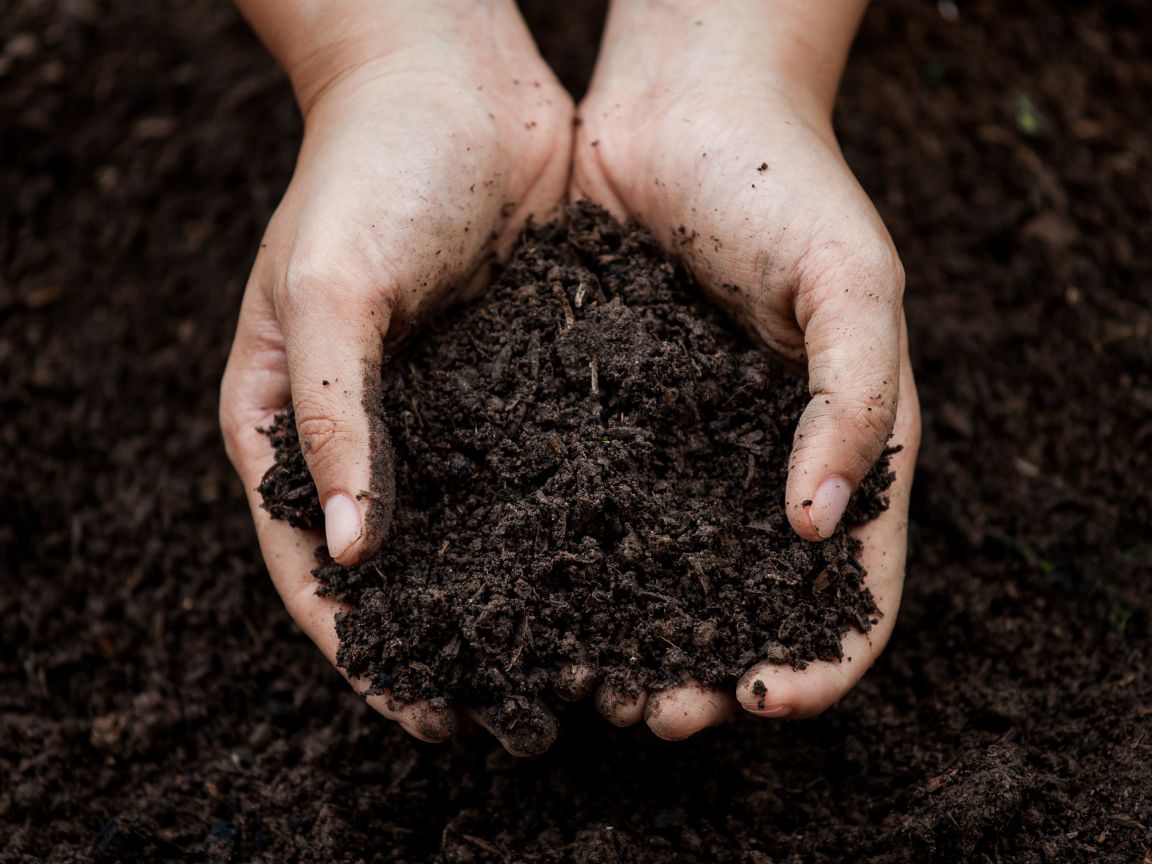
Natural organic reduction — sometimes called human composting or Terramation — converts remains to soil through a contained, accelerated process. Legal in 14 states and expanding.
Natural organic reduction — sometimes called human composting or Terramation — converts remains to soil through a contained, accelerated process. Legal in 14 states and expanding.

Green Burial
For families who want a natural return.
Green burial uses biodegradable materials and avoids embalming, allowing natural decomposition. NFDA also offers a Green Funeral Practices Certificate for funeral homes committed to these standards.
Green burial uses biodegradable materials and avoids embalming, allowing natural decomposition. NFDA also offers a Green Funeral Practices Certificate for funeral homes committed to these standards.
What you need to know about each method
Cremation — incineration of the body at high temperatures until only cremated remains are left — is the most common disposition method in the U.S., with a rate of 59.3% in 2022 and projected growth to 78.7% by 2040. NFDA publishes the annual Cremation and Burial Report (free to members, $175 for non-members), offers the Cremation Certification Program and provides a member-exclusive Cremation Consultation Services Hotline at 800-228-6332 for one-on-one guidance. Additional cremation legal forms and exclusive resources are available to members on the portal.
Member Benefit: Access Cremation Resources on Portal
Member Benefit: Access Cremation Resources on Portal
Alkaline hydrolysis (also called aquamation, water cremation, resomation or flameless cremation) places the body in a chamber with water and potassium hydroxide, using heat and pressure to reduce remains to a sterile liquid and bone material. The bones are processed into a fine powder, similar to cremated ashes. It consumes less energy and emits fewer greenhouse gases than flame-based cremation. NFDA publishes a state-by-state regulation chart showing current legalization status.
Download Alkaline Hydrolysis Regulation by State
Download Alkaline Hydrolysis Regulation by State
Natural organic reduction (NOR) — sometimes called human composting or Terramation — is defined as “the contained, accelerated conversion of human remains to soil.” The body is placed with organic materials like wood chips, straw and alfalfa; microbial activity transforms remains into nutrient-rich soil over approximately four to six weeks. As of September 2025, NOR is legal in 14 states: Arizona, California (effective 2027), Colorado, Delaware, Georgia, Maine, Maryland, Minnesota, Nevada, New Jersey, New York, Oregon, Vermont and Washington. NFDA monitors legislative developments.
Green burial inters the deceased directly in the earth without a concrete vault or metal casket, using biodegradable materials — wooden caskets, shrouds or nothing at all — and without embalming, allowing natural decomposition. Standards vary: natural burial grounds, hybrid cemeteries and conservation cemeteries all fall under the broad green burial category. The Green Burial Council International provides standards and certification for burial sites. NFDA also offers the Green Funeral Practices Certificate Program — a recognition program for funeral homes that have adopted sustainable green funeral and business practices.
Learn About the Certificate
Learn About the Certificate

We champion your calling to serve.
Join NFDA today to serve your families even better.